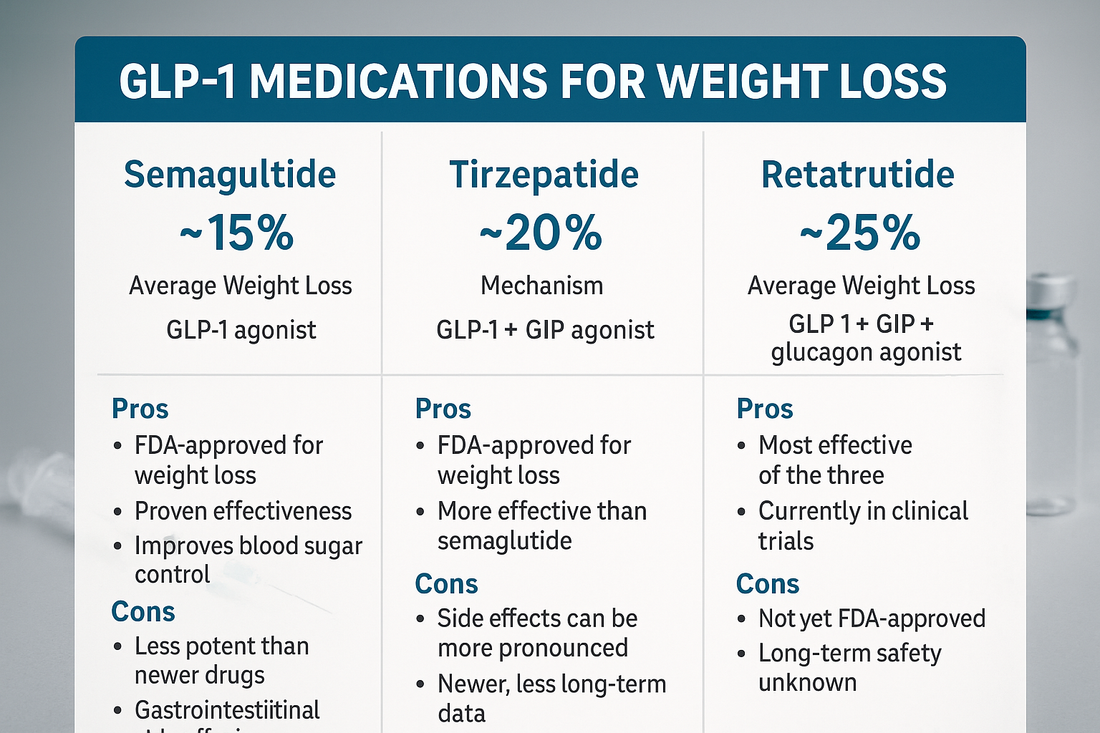
The surge in off-label Ozempic prescriptions has created unprecedented market disruptions, as evidenced by: Dramatic Prescription Shifts : Analysis of prescribing data shows that while over 90% of Ozempic prescriptions in 2018 were for type 2 diabetes, this figure dropped to just 58% by 2023, indicating massive off-label use Celebrity and Social Media Influence : High-profile endorsements from celebrities like Oprah Winfrey, Amy Schumer, and Chelsea Handler sparked unprecedented demand, with the hashtag #Ozempic generating millions of views on TikTok, often downplaying potential gastrointestinal issues associated with the medication Supply Shortages : The surge in off-label prescribing created nationwide drug shortages lasting through 2024, leaving diabetic patients unable to access their prescribed medication Cosmetic Weight Loss Usage : Many new users sought the medication purely for aesthetic weight loss rather than medical necessity, often without meeting clinical criteria for obesity treatment The social media phenomenon surrounding Ozempic fundamentally altered public perception of prescription medications
Conversely, daily TZP bolus induced mild hepatocellular vacuolation and perivascular inflammation, which was partially mitigated in the PNP-1-10-0.05 TZP (4.5 mg/mL) formulation group
Differences in L-arginine metabolism and asthma morbidity among asthma patients with and without obstructive sleep apnea
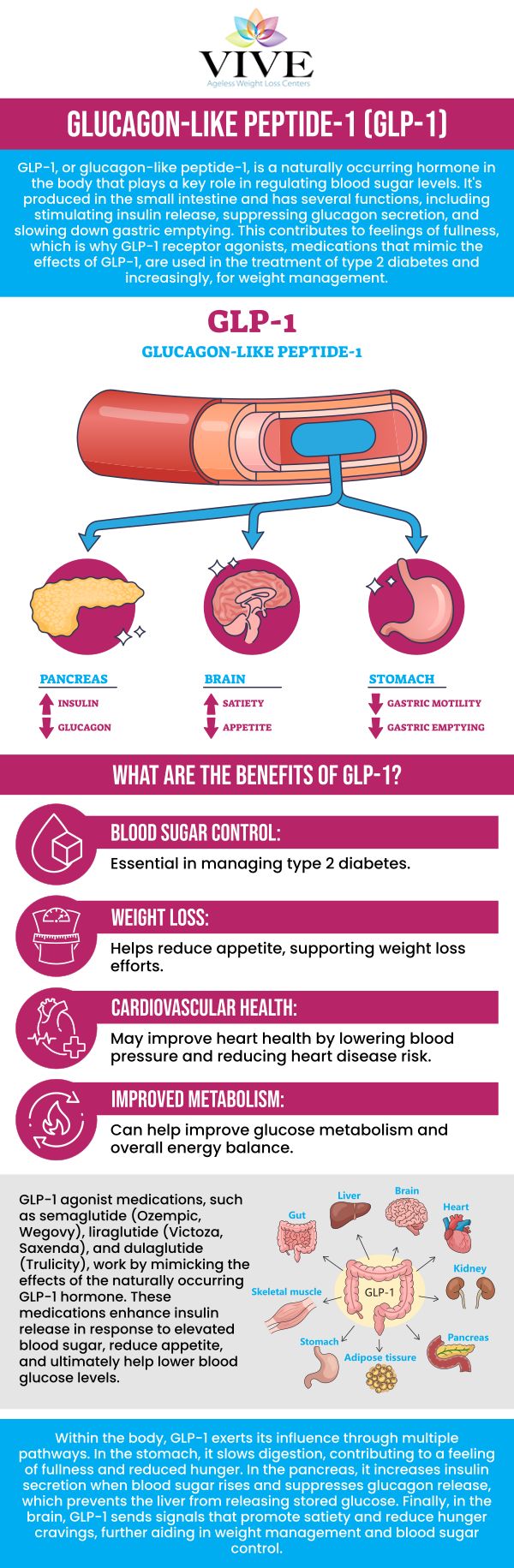
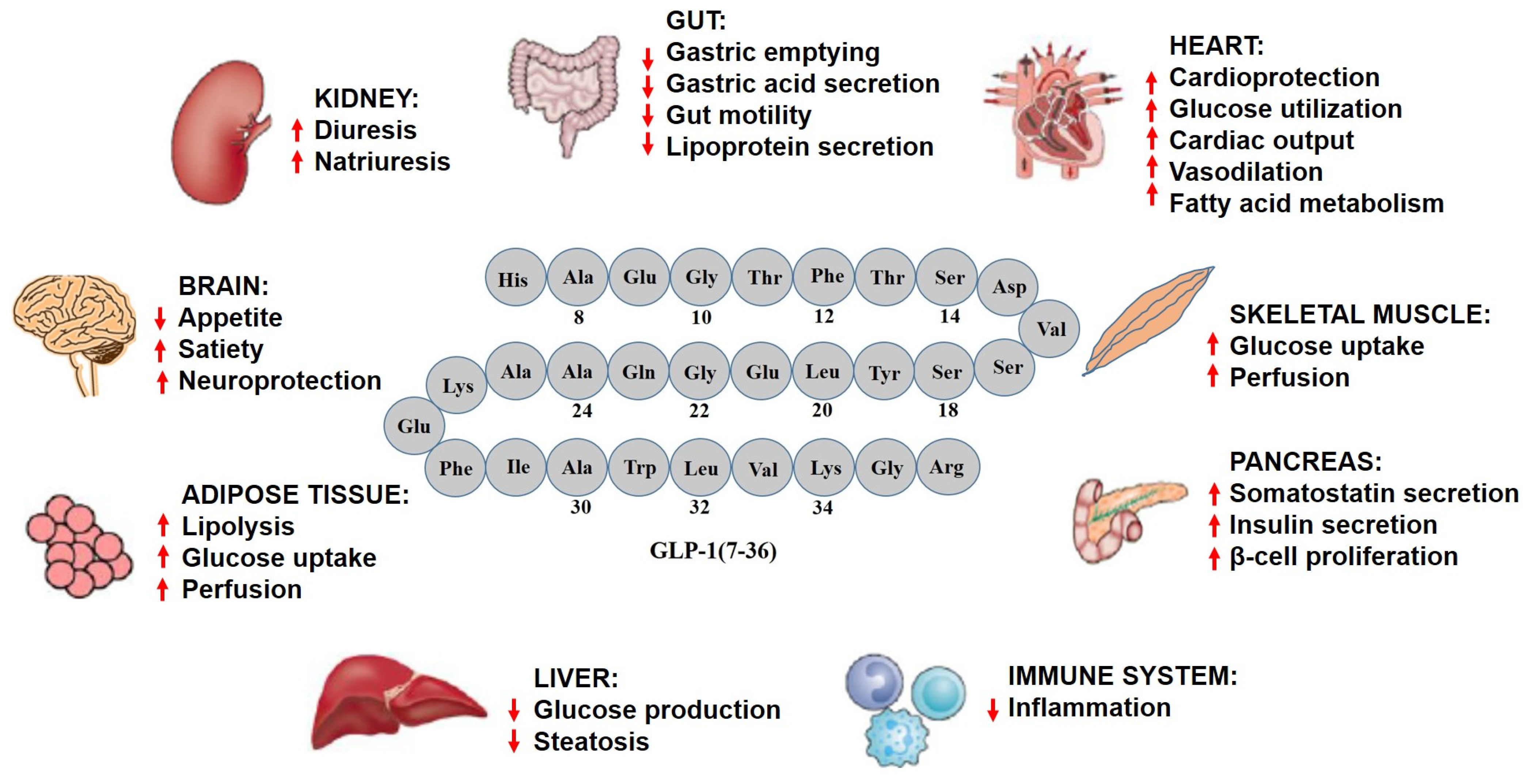
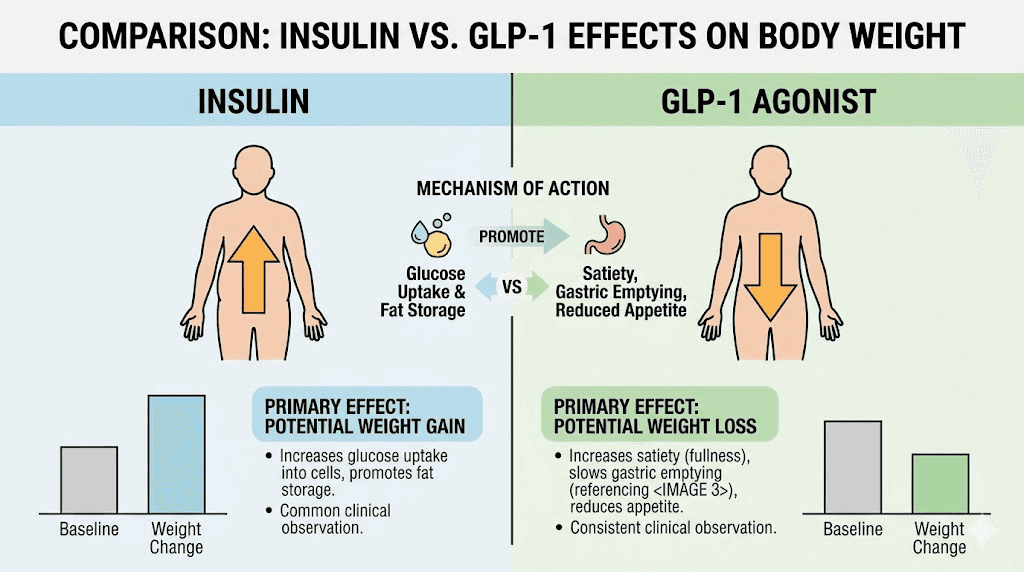
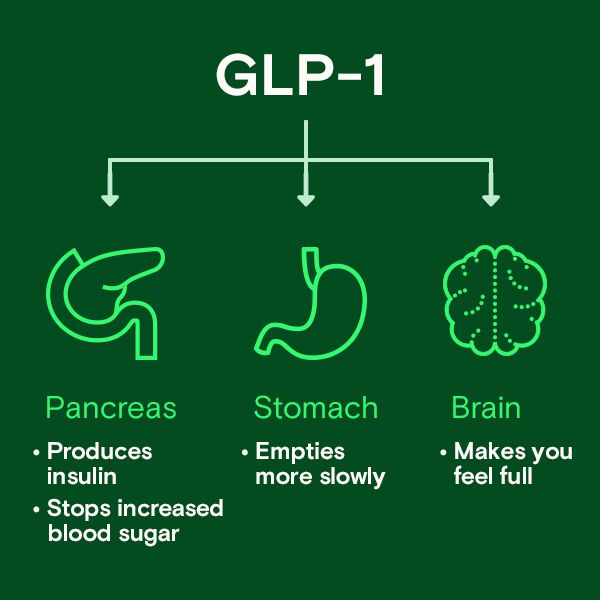
They help reduce body weight by reducing hunger, slowing digestion, boosting metabolism, and improving fat breakdown (lipolysis) while preserving muscle mass