For more on proper storage procedures, see the peptide storage guide
Concentration (start) Volume (start) = Concentration (final) Volume (final) Purity & Documentation Data Sheet (275 KB) SDS (252 KB) English - EN (252 KB) Franais - FR (252 KB) Deutsch - DE (252 KB) Norwegian - NO (252 KB) Espaol - ES (252 KB) Swedish - SV (252 KB) Italian - IT (252 KB) Korean - KR (252 KB) Portuguese - PT (252 KB) Handling Instructions (2659 KB) References [1]
BPC-157 is a 15-residue, 1419.53 g/mol pentadecapeptide whose mechanistic literature centres on local angiogenic signalling, Hsieh and colleagues (J Mol Med, 2017) reported upregulation and internalisation of VEGFR2 in human endothelial cells, and Chang and colleagues (J Appl Physiol, 2011) reported increased FAK and paxillin phosphorylation with greater outgrowth and migration in cultured rat tendon fibroblasts

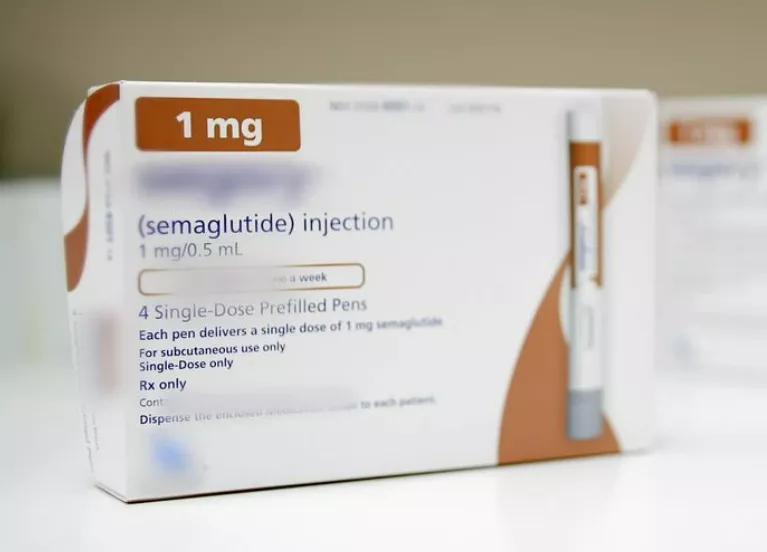
Substantial metabolic changes could theoretically influence the hypothalamic-pituitary-gonadal axis Nutritional considerations : Markedly reduced food intake might lead to inadequate consumption of nutrients that support hormone production and energy levels, particularly with severe appetite suppression Gastrointestinal side effects : Persistent nausea, bloating, or digestive discomfort (common with semaglutide) can understandably diminish sexual desire and comfort during intimacy Dehydration and low energy : Gastrointestinal side effects may lead to fluid loss and reduced energy levels that could affect overall wellbeing Psychological and emotional factors are equally important: Body image changes : Whilst weight loss is often desired, rapid physical changes can affect self-perception and confidence, potentially impacting sexual relationships Mood alterations : Changes in eating patterns, blood sugar fluctuations, and adjustment to medication may influence mood and emotional wellbeing Relationship dynamics : Weight loss and lifestyle changes can alter relationship patterns and communication around intimacy Underlying health conditions must also be considered