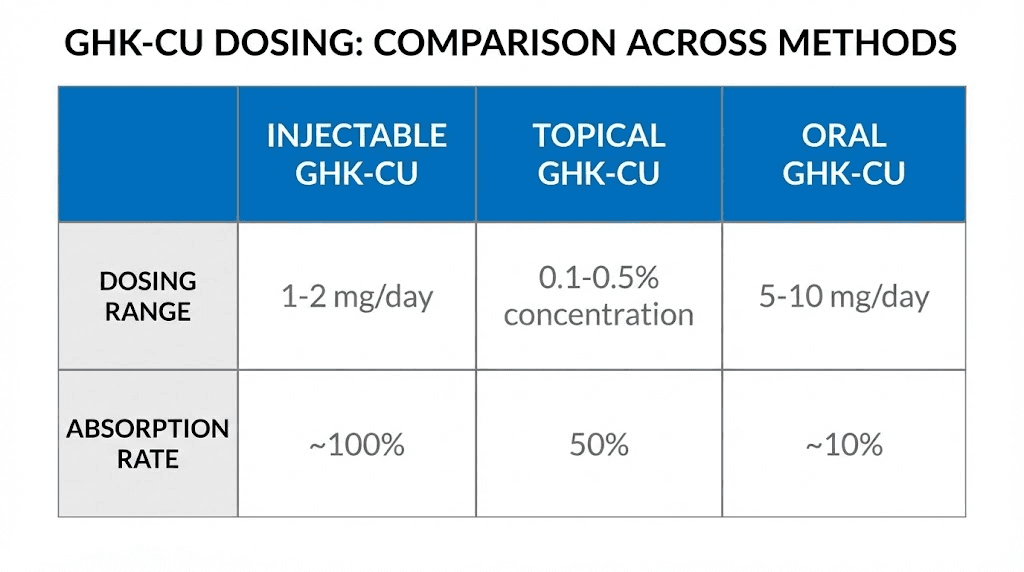
Journal of Personalized Medicine , 12 (7), 1053
Research published in the New England Journal of Medicine (NEJM), shows that over a 40-week trial participants taking orforglipron reduced their glycated haemoglobin levels significantly more than those on a placebo
This article reports the conjugation of the phthalocyanine dye IR700 to monoclonal antibodies for photoimmunotherapy of epidermal growth factor receptor-expressing epidermoid carcinoma in vivo
Circumstances that may create legal challenges: Weak medical documentation: If there are gaps in treatment records, no formal diagnosis, or inconsistent physician notes, building causation becomes significantly harder Pre-existing GI conditions: Patients with documented gastroparesis or other GI disorders prior to Ozempic use may face challenges establishing that the drug caused, rather than exacerbated, their condition Short duration of use: Cases involving very brief exposure to the drug may face higher scrutiny on the causation question Statute of limitations expiration: If a patient knew or reasonably should have known about the potential drug connection to their injury years ago and did not act, their claim may be time-barred Lack of a qualifying diagnosis: Symptoms alone, without a formal diagnosis documented in medical records, are generally insufficient to support a claim Inconsistent treatment history: Gaps in medical care or failure to follow up on symptoms can complicate the narrative of injury severity The legal system is not designed to be easy