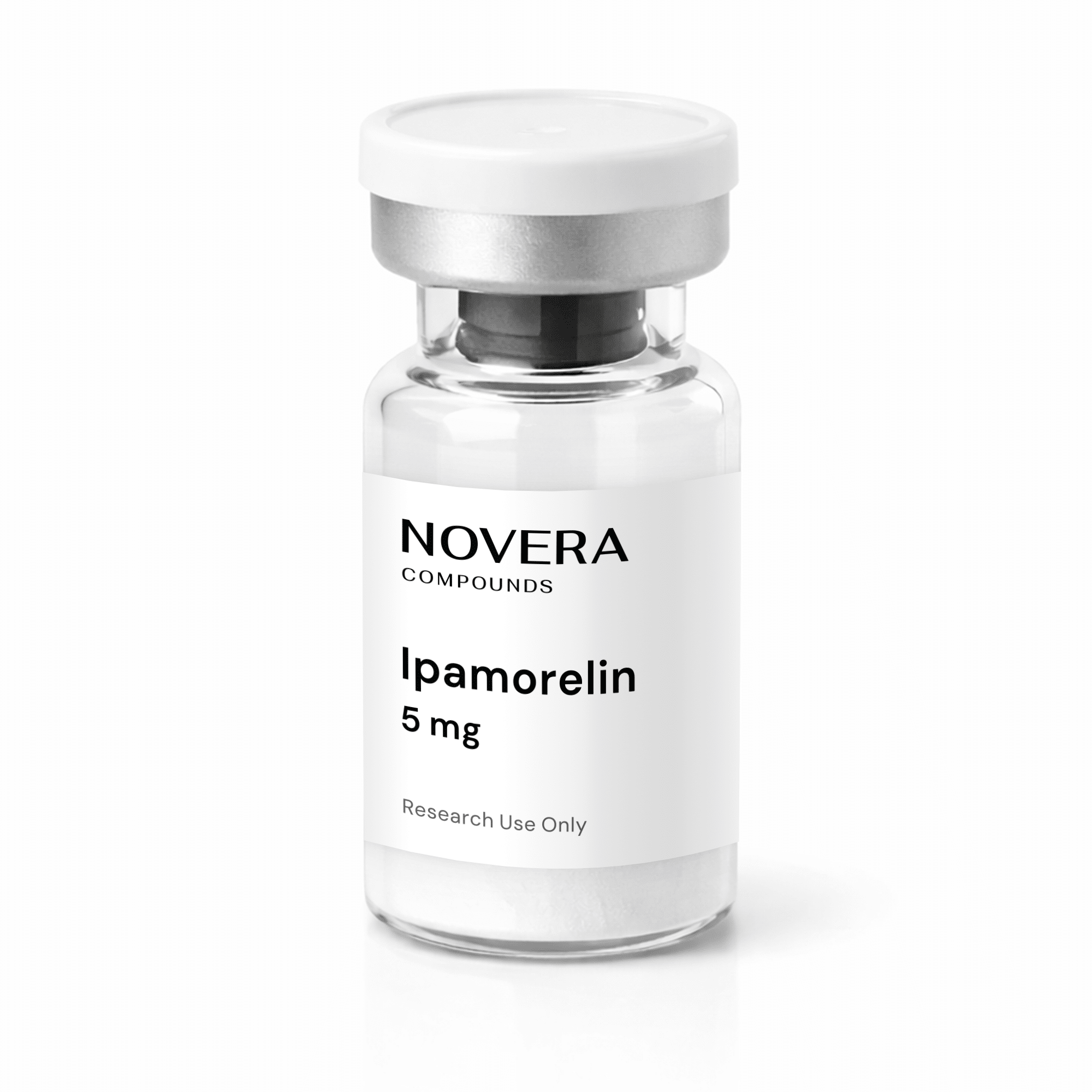
Some of the commonly studied compounds in laboratory environments include: Skye Tirzepatide studied for metabolic signaling pathways Semaglutide used in GLP-1 receptor research BPC-157 studied for tissue response mechanisms TB-500 researched in cellular regeneration studies Ipamorelin growth hormone secretagogue studies CJC-1295 hormone regulation research AOD-9604 fat metabolism research GHK-Cu copper peptide studies Melanotan II receptor interaction research KPV anti-inflammatory pathway studies These compounds are supplied in a stable, lyophilized form for laboratory use and must be properly reconstituted before use in research applications
Moreover, our study provides a mechanistic framework that could potentially explain other opioid-related side effects beyond constipation that may arise through modulation of central autonomic pathways (e.g., nausea, urinary retention, pruritus, and respiratory suppression) 41,42,43
In fact, studies have shown that individuals with liver diseases often exhibit significantly lower levels of glutathione, which can exacerbate their condition
Antioxidant activity The main function of -tocopherol in humans is that of a fat-soluble antioxidant that stops lipid peroxidation