It: Calculates the correct dose in mcg based on your pet's weight and a per-kg dose tier (Low, Mid, or High) Determines how many units to draw on a U-100 insulin syringe based on your vial concentration Supports multiple peptides BPC-157, TB-500, GHK-Cu, Pentosan (PPS), KPV, or a custom peptide each with research-informed dose presets Tracks supply usage so you know how many doses remain in your vial Generates a dosing schedule with optional calendar export What You Need Before You Start To use this calculator, you need 3 things: Your pet's weight Select a size category (Small, Medium, Large, Giant) or enter an exact weight in kg Your peptide and vial info Select the peptide you're using, the vial size (mg), and how much bacteriostatic water you used to reconstitute it (mL) A dose target from your veterinarian Choose a Low, Mid, or High dose tier, or enter a custom mcg/kg dose your vet has recommended How Peptide Concentration Is Determined The calculator figures out your concentration automatically based on two inputs: vial size and water volume
Distinct molecular phenotypes of direct vs indirect ARDS in single-center and multicenter studies
What You Can Do Now Patients who are currently using or considering BPC-157, TB-500, or MOTS-C should discuss their use openly with their primary care physician or a qualified specialist
Key Clinical Significance Succinylcholine-induced hyperkalemia is most dangerous in patients with: Major burns Neuromuscular disorders (e.g., Duchenne or Becker muscular dystrophy) Severe trauma with muscle injury Prolonged immobilization Significant denervation injuries Because of the risk of fatal cardiac arrhythmias, succinylcholine should be avoided in these high-risk populations , and alternative neuromuscular blocking agents such as rocuronium are often preferred (Hovgaard & Juhl-Olsen, 2021







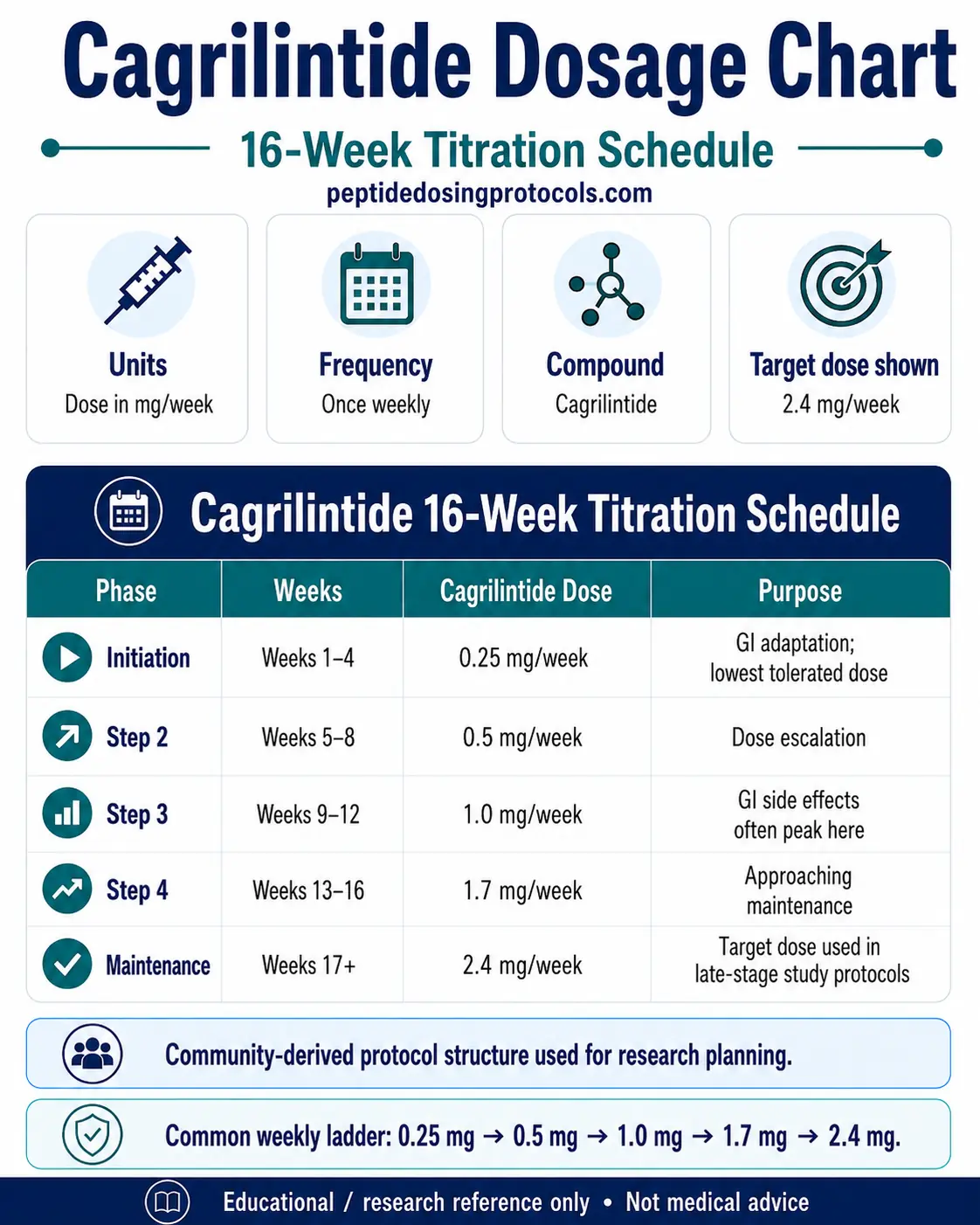
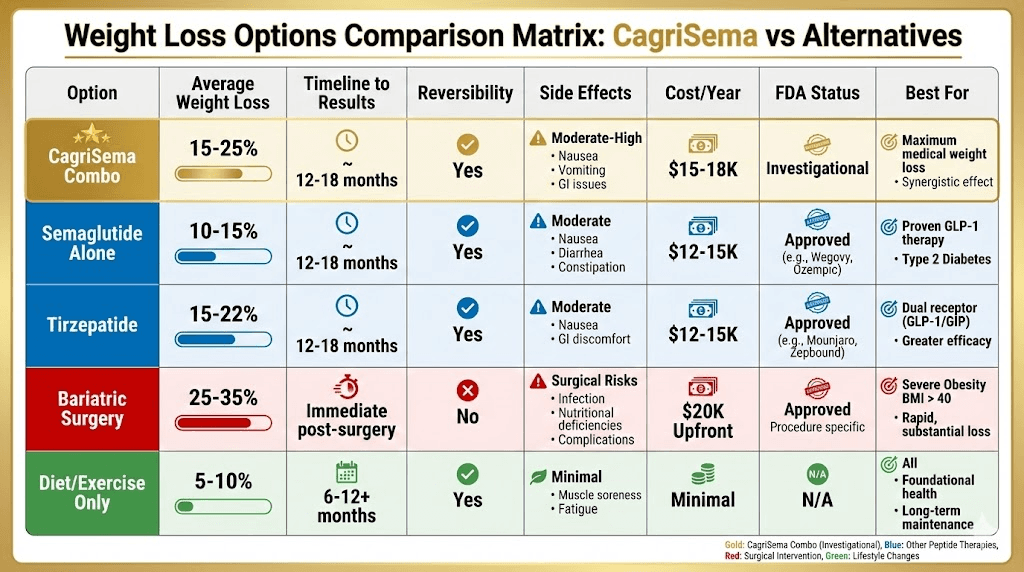


![cagrilintide recommended dose dosing for Chart [Cagrilintide] Cagrilintide Peptide Dosing Guide: Titration, –](https://planetpeptide.com/wp-content/uploads/2024/10/IMG_8950.jpeg)


