Diagnostic assessment in the UK follows NICE guidelines and typically involves: Detailed clinical history taking, including developmental history and symptom onset Assessment of symptoms across multiple settings (home, work, school) Evaluation of functional impairment in daily life Screening for co-existing conditions such as anxiety, depression, or learning difficulties Use of validated rating scales and questionnaires Non-pharmacological interventions form an essential component of ADHD management: Psychoeducation : Understanding ADHD helps patients and families develop effective coping strategies Environmental modifications : Structured routines, organisational tools, and workplace adjustments Cognitive behavioural therapy (CBT) : Particularly helpful for adults with ADHD to address negative thought patterns and develop practical skills Parent training programmes : For children and young people, these programmes help families manage challenging behaviours Pharmacological treatment , when indicated, should be initiated by specialists experienced in ADHD management, with potential shared-care arrangements for ongoing prescribing
)
First, What Exactly is Ipamorelin
Serious side effects are rare but real
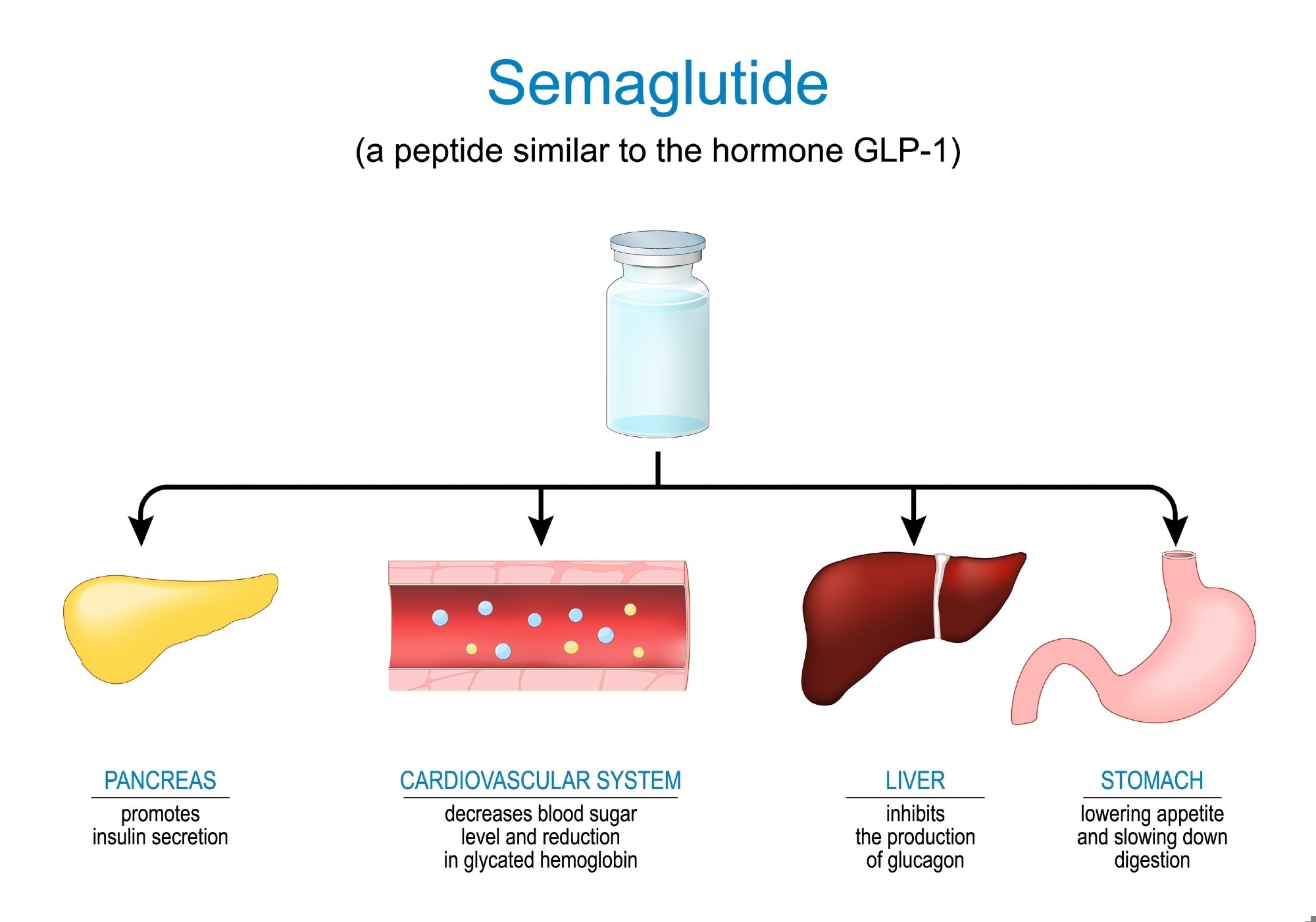
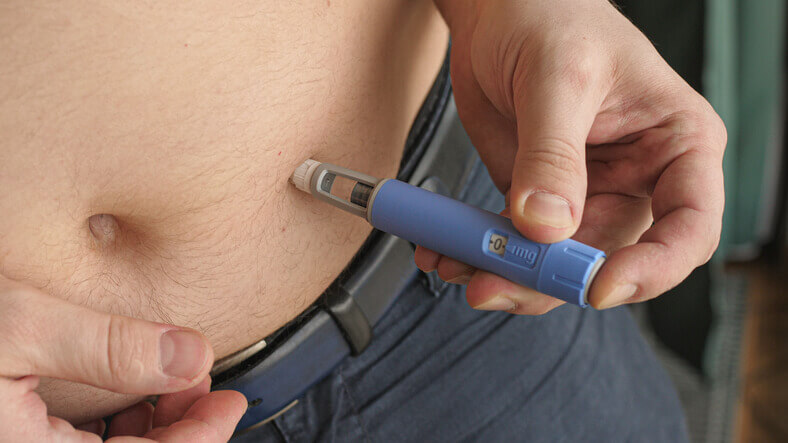
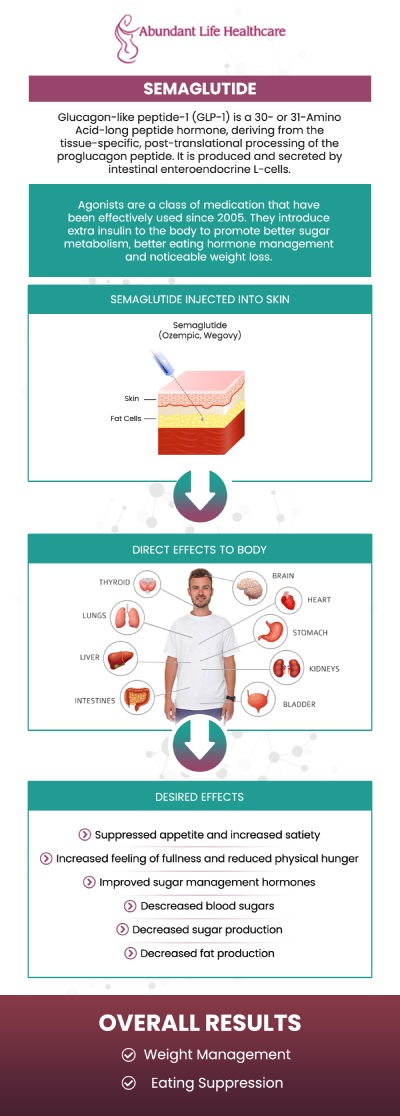
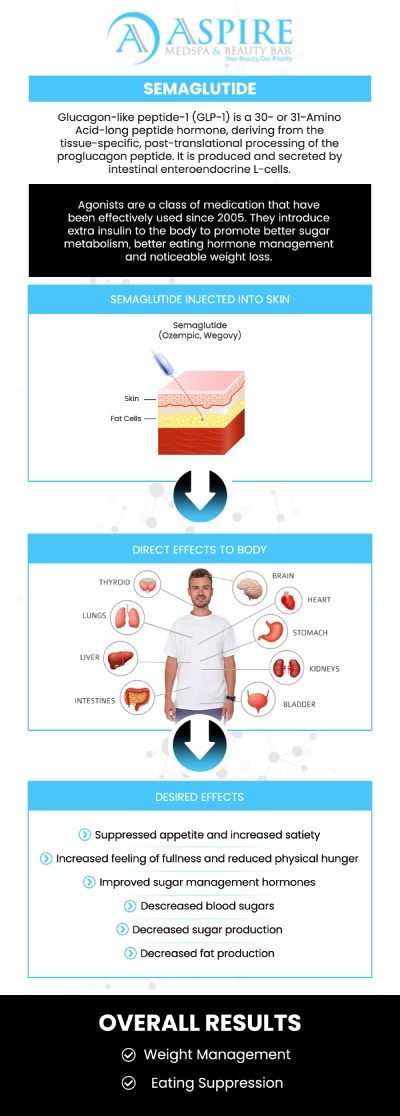
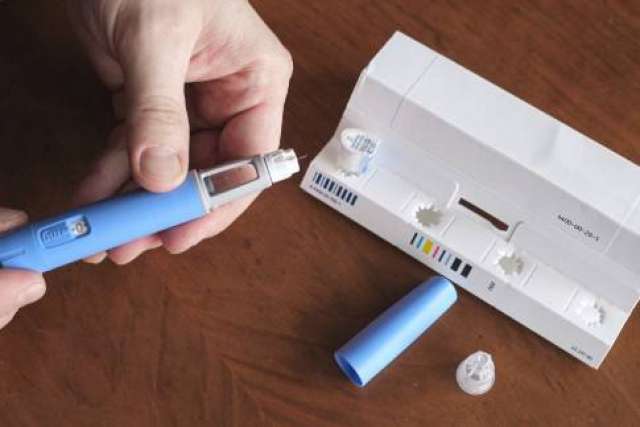
The market is witnessing a strong trend toward the development of novel Semaglutide formulations, including once-weekly injections and oral tablets, which enhance patient compliance and convenience