These presentations occur in combination but also isolated: Hypoketotic hypoglycemia , sometimes resulting in convulsions, coma and brain damage, is most often seen in infancy and the early years of childhood
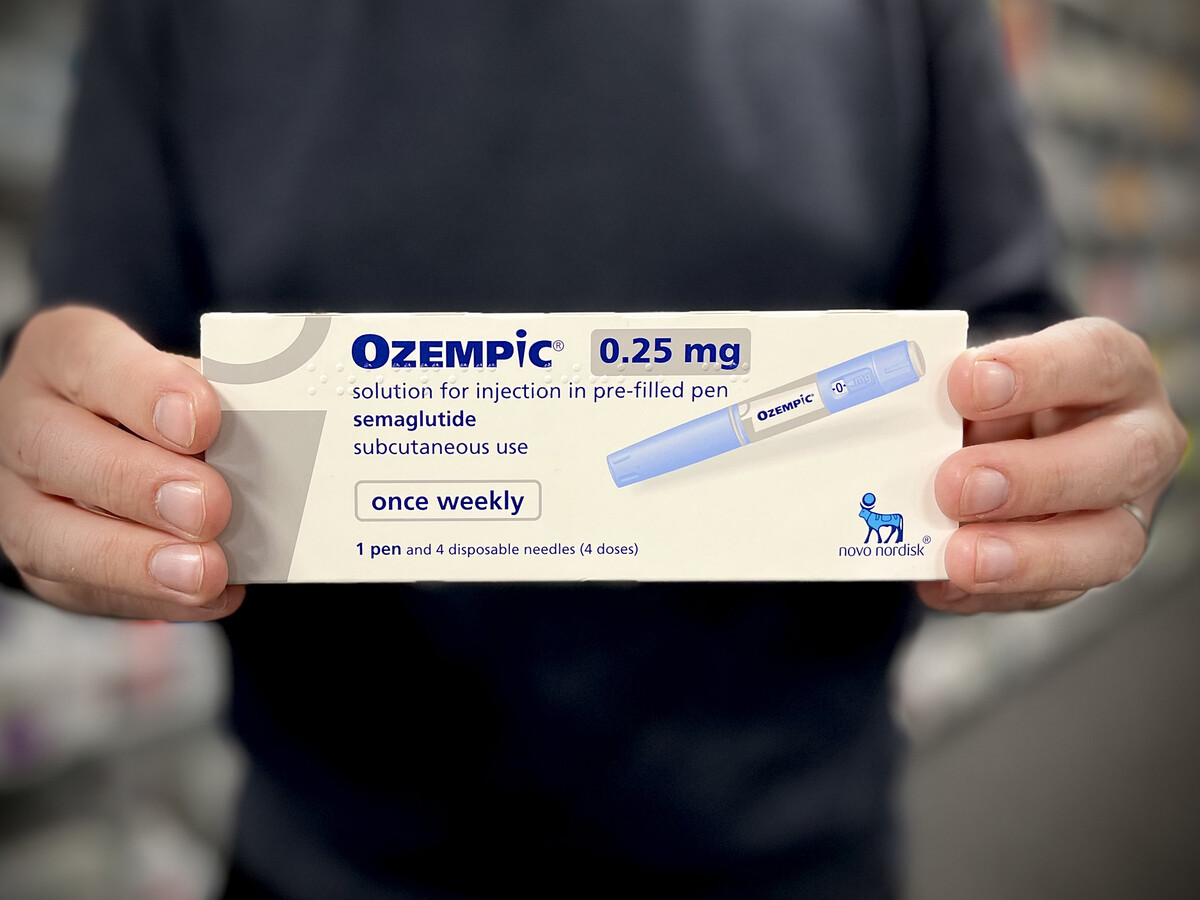
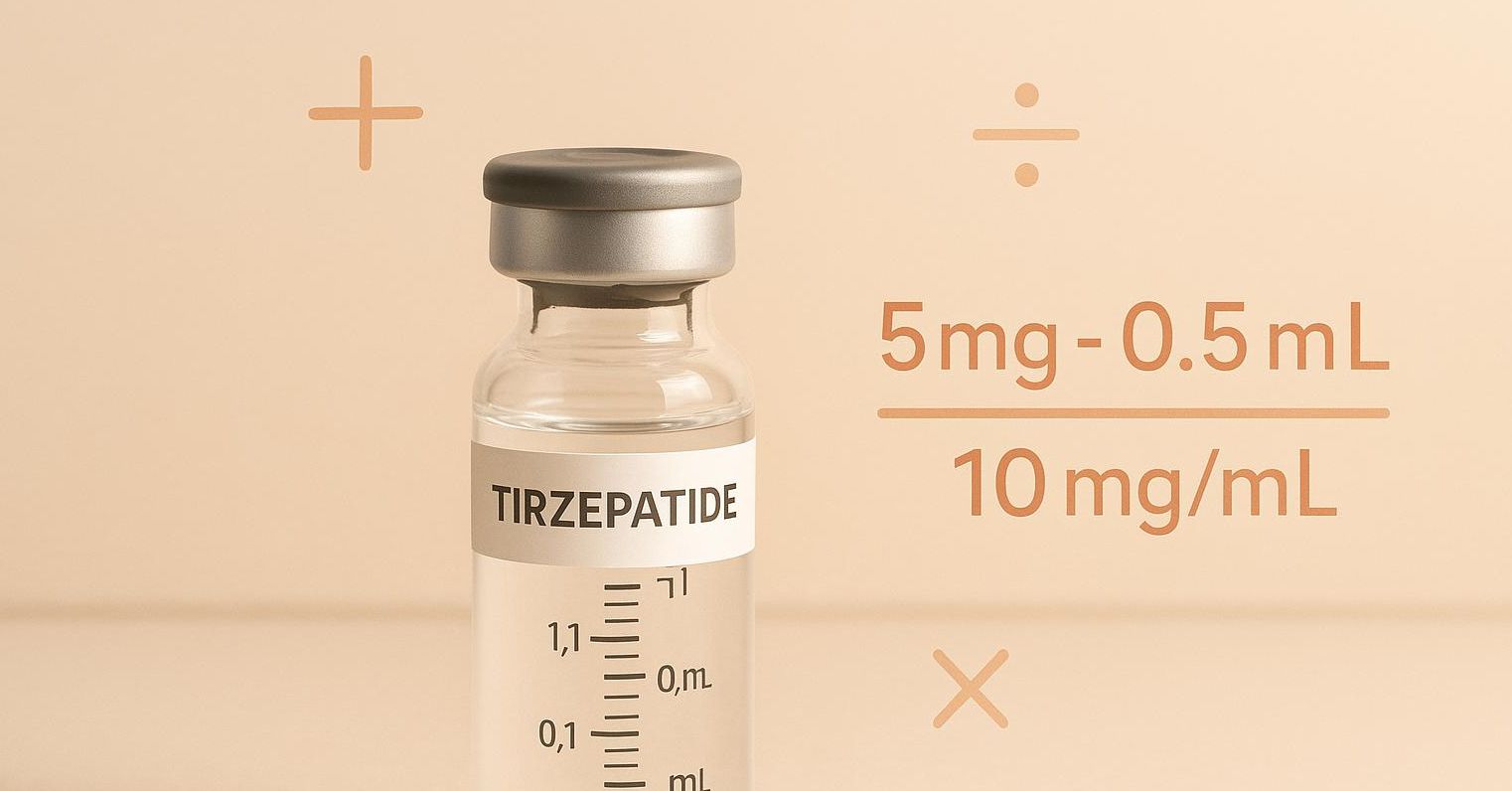
Concentration: 5 mg per mL 1 unit on a U-100 syringe = 0.05 mg (50 mcg) At 5 mg/mL, the 0.25 mg starting dose requires only 5 units

Storage Requirements Stability Information Avoid freeze/thaw cycles Protect from light Keep refrigerated Lyophilized (powder) -20C 24+ months Reconstituted 2-8C ~30 days Blend Components Whats Inside BPC-157 Synthetic pentadecapeptide CAS137525-51-0 Amino Acids15 RoleTissue & gut repair TB-500 Synthetic peptide CAS77591-33-4 Amino Acids43 RoleMusculoskeletal repair GHK-Cu Copper-peptide complex CAS89030-95-5 Amino Acids3 RoleCollagen & skin repair KPV Synthetic tripeptide CAS116167-84-1 Amino Acids3 RoleAnti-inflammatory Research Applications About This Blend Four-peptide recovery blend BPC-157, TB-500, GHK-Cu, and KPV combined in a single 80mg lyophilized vial Multi-pathway tissue repair research each component targets a distinct mechanism: gut/tendon repair (BPC-157), musculoskeletal repair (TB-500), collagen synthesis (GHK-Cu), and anti-inflammatory signaling (KPV) Convenience over stacking one vial replaces four separate reconstitutions for combination protocol research Compatible with standard bacteriostatic water reconstitution use the peptide reconstitution calculator for exact draw volumes For research purposes only
Your body also produces L-Glutamine naturally, and you can find it in your blood and bodily fluids